
Selecting an office space is one of the most important decisions a business can make. Beyond providing a place to work, an office influences productivity, employee satisfaction, brand perception, operational efficiency, and future growth. As Hyderabad continues to strengthen its position as one of India's leading business destinations, organizations are presented with a growing range of commercial real estate options. However, choosing the right space requires looking beyond rental costs and square footage.
Today's businesses must evaluate commercial office spaces through a strategic lens, ensuring that their workplace supports both current operations and long-term objectives.
Location Still Matters — But Accessibility Matters More
Traditionally, businesses prioritized prestigious addresses. While location remains important, accessibility has become equally critical.
Employees, clients, vendors, and business partners all interact with an office space differently. A well-located office should offer seamless connectivity through major road networks, public transportation systems, and proximity to key business districts.
In Hyderabad, areas such as HITEC City, Financial District, Gachibowli, Ameerpet, and Banjara Hills have emerged as preferred commercial destinations because of their connectivity and growing ecosystem of businesses.
When evaluating a location, companies should consider commute times, parking availability, proximity to residential neighbourhoods, and ease of access for visitors.
Scalability for Future Growth
Businesses rarely remain the same size for long. Whether expanding teams, launching new departments, or entering new markets, growth often requires additional workspace.
One of the most common mistakes organizations make is selecting office spaces based solely on current requirements. While the space may meet immediate needs, it can quickly become restrictive as the business grows.
Modern commercial developments should offer flexibility and scalability, allowing organizations to expand without disrupting operations. This may include access to larger floor plates, additional units, flexible workspace options, or phased expansion opportunities within the same development.
Choosing a space that can evolve with the business helps avoid costly relocations and operational disruptions in the future.
Employee Experience Has Become a Business Priority
The workplace has undergone a significant transformation over the past few years. Employees increasingly view the office as more than just a location for work. They expect environments that support well-being, creativity, and professional growth.
Organizations competing for top talent are recognizing that workplace quality directly impacts employee satisfaction and retention.
Features that contribute to a positive employee experience include:
- Natural lighting
- Ergonomic work environments
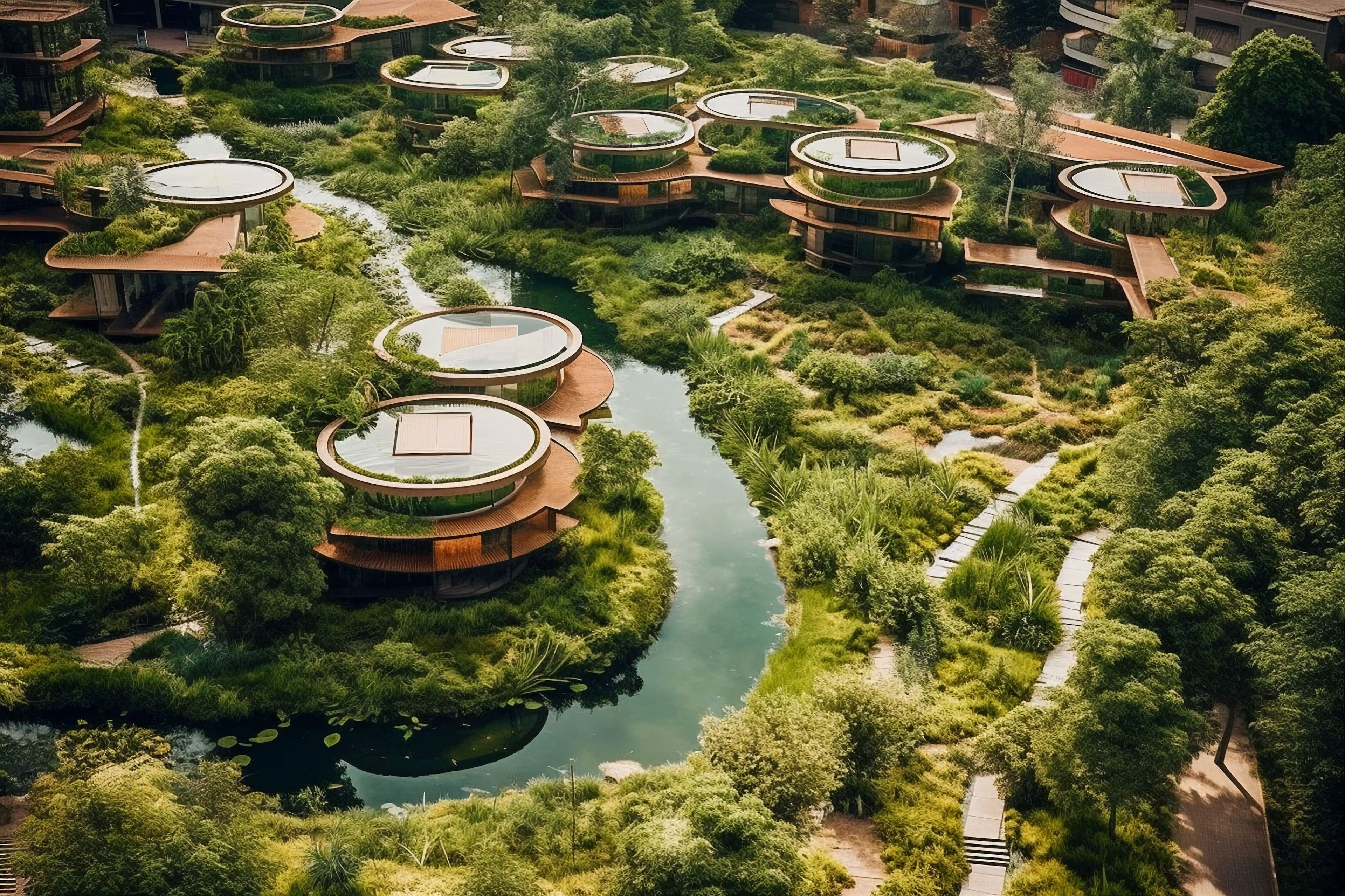
- Green spaces
- Comfortable common areas
Businesses should evaluate how a commercial development contributes to employee well-being rather than focusing solely on operational requirements.
Infrastructure and Technology Readiness
As businesses become increasingly dependent on technology, office spaces must be equipped to support modern operations.
Organizations should assess whether a building can support current technological demands while remaining adaptable to future advancements.
Technology-ready office environments improve operational efficiency while reducing business interruptions and infrastructure challenges.
Sustainability Is Becoming a Strategic Advantage
Sustainability is no longer limited to environmental responsibility. It has become an important business consideration.
Many organizations now incorporate Environmental, Social, and Governance (ESG) goals into their business strategies. As a result, office spaces that prioritize sustainability are increasingly attractive to occupiers.
Energy-efficient buildings, water conservation systems, waste management initiatives, and environmentally conscious design features not only reduce environmental impact but also contribute to lower operating costs and improved workplace quality.
Businesses should consider whether a commercial property aligns with their long-term sustainability objectives.
The Value of a Strong Business Ecosystem
A commercial office is rarely successful in isolation. The surrounding ecosystem plays a significant role in determining its long-term value.
Businesses benefit from being located near complementary industries, service providers, hospitality destinations, retail outlets, and professional networks. These ecosystems create opportunities for collaboration, networking, talent acquisition, and business growth.
Hyderabad's leading commercial districts have evolved into thriving business communities because they offer more than office spaces—they provide access to an entire ecosystem that supports enterprise growth.
Looking Beyond Cost
While cost remains an important factor, the lowest-cost option is not always the most effective business decision.
An office that enhances productivity, supports talent retention, reduces operational challenges, and strengthens brand perception often delivers significantly greater long-term value.
Organizations should evaluate commercial office spaces based on total business impact rather than rental rates alone.
Conclusion
The role of commercial office space has evolved dramatically. Today's workplace is a strategic asset that influences business performance, employee engagement, and organizational growth.
As Hyderabad continues to attract businesses from around the world, companies have access to an increasingly diverse range of office environments. The key lies in selecting a space that aligns with long-term objectives while supporting the evolving needs of employees and operations.
The right office is not simply where business happens—it is where growth, innovation, and opportunity come together.